What is Shopify Dropshipping and How to Do It? (2026 Guide)
What Exactly Is Shopify Dropshipping?
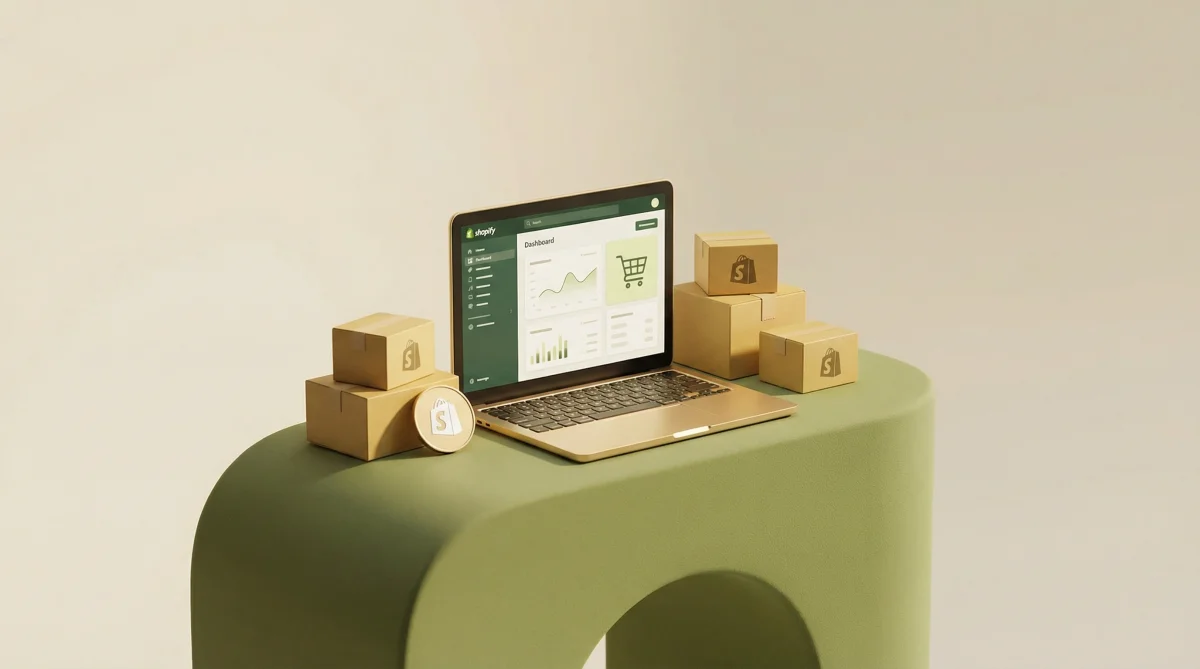
Let's cut to the chase: Shopify dropshipping is one of the most practical ways to run an e-commerce business without holding inventory. You sell the product, but there's no warehouse, no packing boxes at 2 AM. Customer orders, supplier ships directly. You pocket the difference.
Sounds simple, right? Technically, it is. But in practice, things get messy. First, let's be clear: Dropshipping as a model has been around for decades. What Shopify did was make it accessible to anyone with a laptop and a credit card.
Why Shopify specifically? Because you don't need to hire a developer to build infrastructure. Pick a theme, add products, set up payment processing—your store can be live within a day. That's genuinely remarkable when you think about what launching an online store required even ten years ago.
Who's Actually Making Money with Shopify Dropshipping—and Who's Losing Their Shirt?
We need to address this because those "I made $50,000 last month" stories flooding social media are either exaggerated or missing critical context. Here's the reality: people are making money with Shopify dropshipping, but they're typically the ones who've figured out the marketing side of the equation.
From what we've seen, the vast majority of failed dropshipping ventures don't stumble on product selection. They stumble on customer acquisition costs. You spend $500 on Facebook ads, get three sales, and suddenly this whole thing feels like a scam. That's a normal experience, actually.
The Profitability Math
Let's run the numbers: You're selling a product for $30. You pay the supplier $12. Shipping is $5. Shopify's monthly fee plus transaction fees eat a bit more. You're left with maybe $10-11 per sale. Now, here's the question that determines everything—how much are you spending on ads to acquire that one customer?
This is the critical point. If your ad spend per customer exceeds $8, you're barely breaking even. If it hits $12, you're losing money on every sale. I've seen people celebrate "making sales" while hemorrhaging cash. Not a great strategy.
Is Shopify Dropshipping Still Worth It in 2026?
Contrary to what the cynics say, dropshipping isn't dead. But it's absolutely not as easy as it was five years ago. Consumers recognize AliExpress packaging now. They don't want to wait three weeks for something they could get from Amazon in two days.
So the model that actually works in 2026 looks different:
- Working with local or regional suppliers (3-5 day delivery)
- Focusing on niche products (not selling what everyone else is selling)
- Building an actual brand (selling an experience, not just a product)
That last point matters more than people realize. Generic stores don't work anymore. Picking a logo and some brand colors doesn't make you a brand—clients miss this constantly.
How to Set Up a Shopify Dropshipping Store
The technical setup is honestly the easiest part. You sign up for Shopify, get a 14-day trial, pick a theme (free themes work fine when you're starting), configure basic settings. Nothing complicated.
Supplier Integration
Apps like DSers, Spocket, and Zendrop connect directly to Shopify. You can add products to your store with a single click. But here's a warning I wish someone had given me earlier: the cheapest supplier isn't always the best supplier. Work with someone who doesn't do quality control, who doesn't care about shipping times, and you'll drown in customer complaints. The money you saved gets eaten by refunds and chargebacks.
Payment and Shipping Configuration
If you're selling from certain regions, Shopify Payments might not be available—you'll need alternative payment gateways. For international sales, Stripe or PayPal integration makes the most sense.
On shipping pricing, you have two approaches: either bake it into the product price and offer "free shipping," or show it transparently. I think the free shipping perception still boosts conversion rates, but this isn't a universal rule. Test it.
Product Selection: Almost Everyone Gets This Wrong
The "find a trending product, sell it, get rich" approach worked in 2020. Now everyone's chasing the same "viral products." That quirky kitchen gadget you saw on TikTok? Five hundred other stores are selling it. You're entering a price war before you've even started.
Finding products with less competition but actual demand requires different tactics:
- Check Amazon's "frequently bought together" sections
- Follow Reddit communities and niche forums
- Use Google Trends to find rising searches that haven't peaked yet
No matter how good your ad creative is, you can't sell the wrong product. Let's be honest about that.
You Cannot Do Shopify Dropshipping Without Marketing
Building the store is maybe 20% of the work. The remaining 80% is marketing. And marketing doesn't just mean running ads.
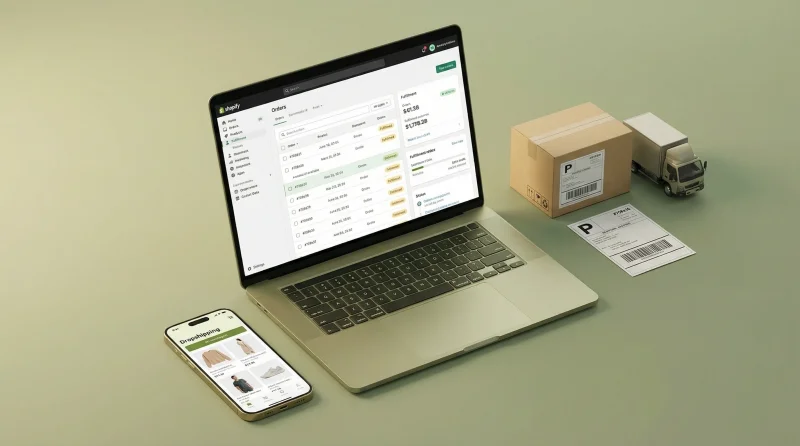
Getting organic traffic means understanding SEO basics. Are your product descriptions original? Are your category pages optimized? Do you have a blog? These things take time but they're profitable long-term.
Paid Advertising Strategy
Meta ads (Facebook and Instagram) remain the most common channel, but costs have climbed significantly. TikTok ads offer cheaper customer acquisition for certain product categories. Google Shopping is solid for reaching people with high purchase intent—they're actively searching for what you sell.
The smartest approach, in my opinion: test a few channels with small budgets, see what works, then double down on the winner. Spreading yourself thin across every platform usually means you do none of them well.
Common Mistakes and How to Avoid Them
We see this mistake constantly: newcomers launch stores with 50 different products. Then they can't properly market any of them. Start with 3-5 products. If you can sell one well, expand from there.
Other frequent errors:
- Starting sales without testing your supplier—place at least one order for yourself, see what actually arrives
- Neglecting customer service—the longer your response time, the higher your return rate
- Depending on a single supplier—what happens when they run out of stock?
Especially with people new to shopify dropshipping, we notice they start selling without ever seeing the product quality firsthand. First negative review hits, and panic sets in.
So, Should You Start?
Shopify dropshipping remains a legitimate business model. But don't enter expecting easy money. If you're prepared to learn marketing, to test relentlessly, to fail and try again—it's worth attempting.
Startup costs are low. A few hundred dollars gets you in the game. But be prepared to lose that money. Your first store will probably fail. What you learn builds a better second attempt.
One more thing: Shopify's own resources are genuinely comprehensive. Start there. Then join shopify dropshipping communities, read real experiences from real people, and build your own strategy. The people making money aren't following someone else's playbook exactly—they're adapting.