Website Design Styles: What's Happening in 2026?
What Actually Changed in Web Design This Year?
Let's be honest: a website stopped being just "having an online presence" years ago. But 2026 feels different. I've been watching this industry long enough to remember when "make it mobile-friendly" was the revolutionary advice. Now? Users expect an experience the moment they land on your site. Boring welcome screen? They're gone. Slow loading? They didn't even wait to find out.
I'm going to walk you through 12 web design trends that are actually shaping 2026. But here's my disclaimer upfront: not every trend fits every site. Some work brilliantly for e-commerce, others are pointless for corporate pages. So instead of blindly chasing what's "trending," think about what actually serves your purpose.
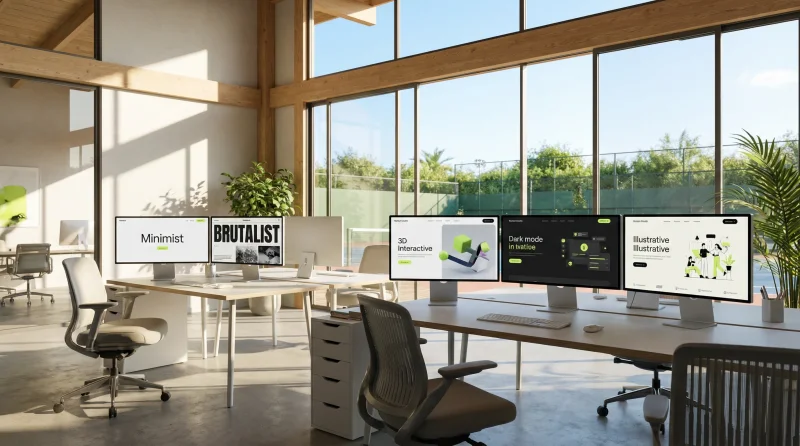
Is Minimalism Dead? No, But It Evolved Into Something Stranger
We've been preaching "less is more" for years. White space everywhere, thin fonts, homepages with almost nothing on them. It looked elegant. It felt sophisticated. And now? It's boring.
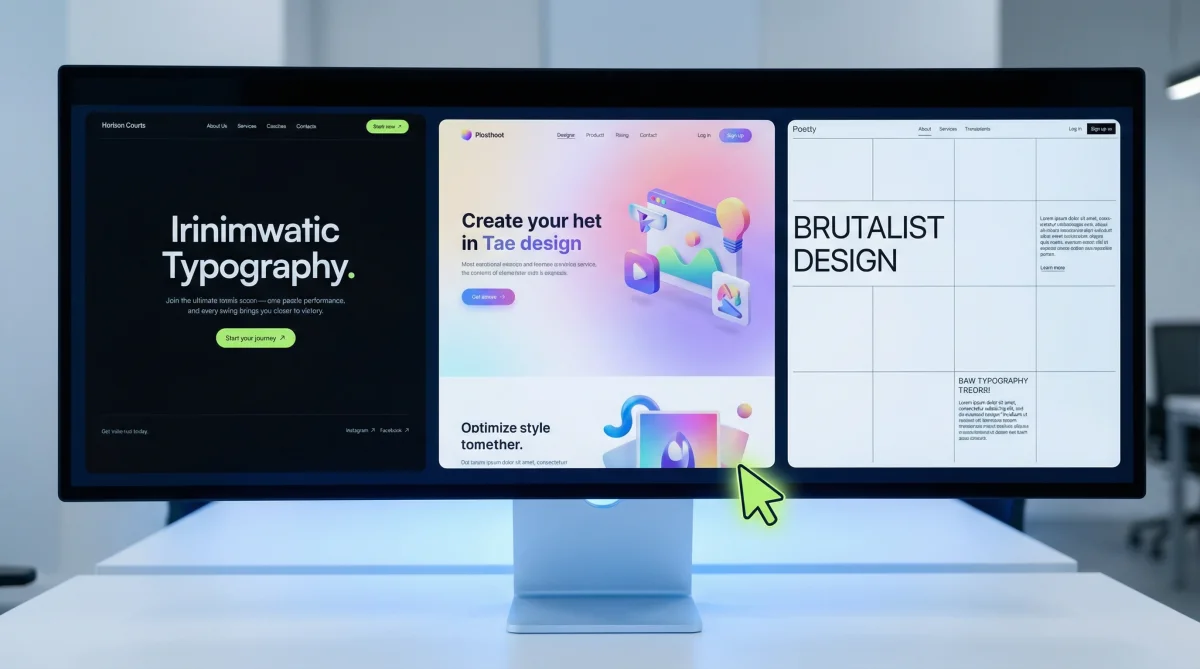
What I'm seeing in 2026 is something I'd call "maximalist minimalism" – and yes, I know that sounds contradictory. The idea is this: you still have few elements, but those elements are bold. Massive typography. Unexpected color combinations. Asymmetric grid structures that make you look twice. If you understand the fundamentals of web design, tracking this evolution becomes much easier.
Brutalist Design Made a Comeback
Here's something that genuinely surprised me: the raw, almost "ugly" web aesthetics from the 90s are being used intentionally now. Raw HTML appearance, system fonts, weird hover effects that feel almost broken. I'm seeing this especially with brands in art, music, and tech spaces. When everyone looks the same, looking deliberately different becomes a strategy. Whether it works depends entirely on your audience – a law firm probably shouldn't go brutalist, but a Berlin-based music collective? Perfect fit.
3D and Immersive Experiences: Websites as Playgrounds
WebGL and Three.js technologies have become far more accessible. A few years back, creating 3D website experiences required serious budgets – we're talking six figures for anything decent. Now mid-sized agencies can pull this off.
But let me be direct about something: I've seen too many sites ruined by 3D elements added for the wrong reasons. Client says "make it impressive," agency throws 3D objects everywhere. Result? Site crawls, doesn't work on mobile, and anyone over 50 has no idea what they're looking at. The technology isn't the problem. The judgment is.
Scroll-Triggered Animations
Animations that fire as users scroll down the page – this is probably the most widespread trend of 2026. Done right, it enhances storytelling. Done wrong, it's genuinely nauseating. I mean that literally. I've had to close tabs because the motion made me uncomfortable.
Parallax 2.0
Parallax scrolling isn't new, but how it's being applied has changed. It's no longer just background layers moving at different speeds. Now text, images, and even video elements move together in coordinated ways. The CSS scroll-driven animations standard has made this significantly easier to implement properly.
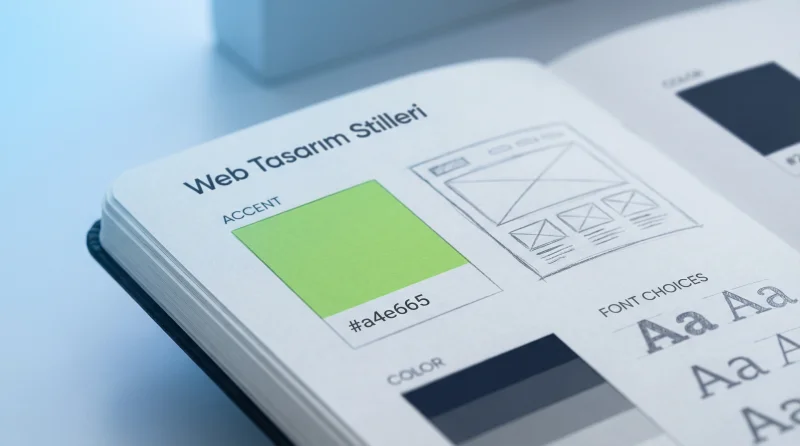
Dark Mode Is Now the Default
This barely needs discussion anymore. The majority of users keep their devices in dark mode. If your website development process only considers light themes, you're ignoring roughly half your audience.
What's interesting is the shift in approach: designers aren't just creating a "dark version" anymore. They're doing dark-first design – building the site for dark theme initially, then adapting for light. This works particularly well for portfolio sites and anything graphics-heavy. The colors pop differently, the contrast feels more intentional. Try it.
AI-Powered Personalization: A Different Site for Every User
Dynamic content isn't new. What's different in 2026 is that the design itself changes based on user behavior. Color schemes, layout structure, even typography can adapt in real-time.
I'm cautiously excited about this. Yes, it's impressive. But there are serious privacy concerns. GDPR in Europe is strict, and similar regulations exist elsewhere. Personalizing without proper user consent will get you in trouble. The technical capability existing doesn't mean you should use it without thinking through the legal implications. This is an area where getting proper advice matters – balancing what's technically possible with what's legally permissible isn't straightforward.
Micro-Interactions: Small Details, Massive Impact
A subtle vibration when you tap a button. A playful animation when a form submits. A heart that fills up when you add something to favorites. These are micro-interactions.
- They give users feedback ("yes, your click was registered")
- They reflect brand personality
- They make boring tasks feel engaging
- They make wait times more bearable (a cute animation beats a generic progress bar)
An ideal website needs these details. But restraint is crucial. If fireworks explode with every click, users will lose their minds – and not in a good way.
The Typography Revolution: Fonts as Design Elements
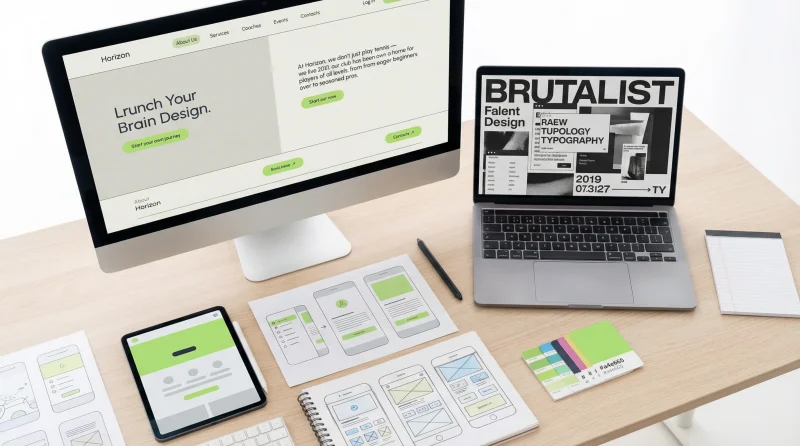
Variable fonts have gone mainstream. One font file can now produce hundreds of weight and width combinations. This has both accelerated web design and development workflows and expanded creative possibilities dramatically.
Designers are treating fonts not just as "stuff to read" but as visual elements in their own right. Giant headlines, cropped letters, animated typography. The W3C font standards provide the foundation for these innovations.
Gradients and Color Transitions
The flat colors of the 2010s are gone. Gradients are everywhere now, but not the rainbow explosions of the past. These are subtle, almost imperceptible transitions. Not just gray, but gray that gently shifts toward blue. This subtlety requires actual graphic design knowledge – you can't fake it with random color pickers.
Speed or Aesthetics? That's the Wrong Question
Clients often ask us: "Should the site be fast or beautiful?" These aren't opposites. In 2026, being both fast and beautiful isn't optional – it's expected.
Lazy loading, WebP/AVIF image formats, critical CSS, edge caching – these aren't luxury features anymore. They're standard. The gap between agencies that understand these technical details and those that don't? It's enormous. That's often why website pricing varies so dramatically.
So Which Trends Should You Actually Use?
I've listed 12 trends, but please don't try to implement all of them at once. That's chaos, not design. Think about it this way:
- Corporate sites: Evolved minimalism + dark mode + micro-interactions
- E-commerce: Speed-first approach + AI personalization + typography emphasis
- Portfolio/art: 3D experiences + brutalist touches + scroll animations
- Blog/content: Readability-focused typography + minimal elements + fast loading
Following trends and being enslaved by them are different things. A website ultimately serves a purpose: converting visitors into customers, providing information, building brand perception. Design serves that purpose – not the other way around.
Where does this all go from here? If I had to bet, I'd say the sites that win in 2026 and beyond are the ones that feel genuinely different without sacrificing usability. The generic, template-looking pages don't cut it anymore. But different for the sake of different doesn't work either. It has to be purposeful differentiation – and that's harder than it sounds.