What is Bulk Email Sending and Why Use It? (Complete Guide)
Bulk Email Sending: The Thing Everyone Thinks They Know But Most Get Wrong
Bulk email sending is a communication method that allows businesses to deliver emails to hundreds or even thousands of people simultaneously. The definition is that simple. But in practice, things don't work that smoothly at all.
Most companies approach this with a "just add everyone to CC and hit send" mentality. Then they complain that "email marketing doesn't work." The problem isn't the method – it's the execution.
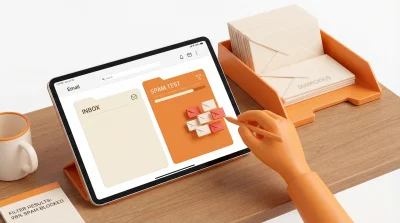
Here's a distinction that needs to be made: There's a massive difference between bulk email sending and spam. The first is a strategic communication tool. The second is both legally and ethically problematic behavior. Unfortunately, businesses that ignore this distinction don't just lose potential customers – they damage their brand reputation too.
Why Email Still? When Social Media Exists?
I hear this constantly: "Nobody reads email anymore, everyone's on Instagram." This thinking isn't completely wrong, but it's incomplete.
On social media, your content is at the mercy of the algorithm. You might have 10,000 followers today, and your organic reach could drop to zero tomorrow. Your email list, however, belongs to you. Nobody stands in between deciding "should I show this message or not."

Besides, social media content gets consumed instantly and forgotten. Email sits in the inbox, waiting for the person to open and read it when convenient. This simple difference seriously affects conversion rates.
Email's Place in B2B Communication
Especially in enterprise sales, bulk email sending remains one of the most effective channels. A procurement manager makes decisions while checking morning emails – not while scrolling LinkedIn. Ignoring this reality means missing potential business opportunities.
Bulk Email Sending Tools: Which One Actually Works?
There are dozens of tools out there. Mailchimp, Brevo, HubSpot, various regional solutions... Each has its own advantages, but let me be clear: Tool selection isn't as critical as you think.
Yes, some tools offer better automation. Some have cleaner interfaces. But the quality of your tool doesn't compensate for the poor quality of your content. Think of it like buying the most expensive rifle and firing without aiming.
I think the real questions you should be asking are these:
- Can I do list segmentation?
- Is A/B testing easy?
- What are the deliverability rates like?
- Is it GDPR compliant?
That last point is particularly important. In 2026, there are still companies not taking data privacy seriously, and that's a significant risk. For basic information on personal data protection, the Wikipedia article on GDPR is a good starting point.
The Right and Wrong Ways to Build a List
I need to be very direct here: Purchased email lists don't work.
Yes, a "ready-made list of 10,000 people" might seem appealing. But these people don't know you, don't want to hear from you, and will most likely mark your emails as spam. This tanks your domain reputation and makes it harder to reach even your legitimate subscribers.
Growing Your List Organically
The right way is slower but sustainable. Add a signup form to your website. Give people a reason to register: discount code, free ebook, industry report... A well-designed website makes these conversions easier.
Important note: Use double opt-in. Yes, your signup rate will drop. But your list will contain people who are genuinely interested, and that's far more valuable long-term.
What Should Your Content Strategy Look Like for Bulk Email Sending?
The most common mistake I see with content: Making every email about sales.
People guard their inboxes. They're tired of brands constantly shouting "Buy! Purchase! Discount!" I think the ideal ratio should be: three out of four emails should provide value, one can be sales-focused.
What does "value" mean? Useful information about your industry, how-to guides, answers to frequently asked questions... Anything that makes people's lives easier counts as valuable.
Subject Line: The Determining Factor for Open Rates
The most important factor determining whether an email gets opened is the subject line. Everyone knows this, yet we still see boring headlines like "January Newsletter."
Create curiosity in your subject line but don't resort to clickbait. Headlines like "Unbelievable opportunity!!!" get caught in spam filters anyway. Keep it honest, interesting, and short. Only 30-40 characters show on mobile – don't forget that.
Bulk Email Sending Without Segmentation Is Just Wasted Effort
Sending the same message to your entire list is an approach that stayed in the 2010s.
People now expect personalized experiences. If you're an e-commerce site sending men's shoe discounts to female customers, you're getting ignored at best. At worst, they're unsubscribing.
Segmentation examples:
- Demographic: Age, gender, location
- Behavioral: Last purchase date, cart abandoners
- Interest-based: Which product categories did they browse?
- Engagement: Opened emails in last 90 days vs. didn't open
The biggest transformations we see with clients usually happen after implementing segmentation. Same list, same offer – but when the right message reaches the right person, results change dramatically.
Technical Details: SPF, DKIM, and Deliverability
This part gets a bit technical, but if you're going to do bulk email sending, you need to know this.
SPF (Sender Policy Framework) and DKIM (DomainKeys Identified Mail) are protocols that verify your emails actually come from you. If you haven't set these up, your emails risk landing in spam folders.
There's also DMARC. When these three work together, email providers trust you and your messages reach the inbox.
Setting this up requires technical knowledge. If you don't have an IT team, get support on this. Wrong configuration can make things even worse.
How Should You Evaluate Bulk Email Sending Results?
The send-and-forget approach is one of the biggest mistakes.
After every campaign, look at these metrics:
- Open rate: Is your subject line working?
- Click-through rate: Is the content engaging?
- Conversion rate: Did you achieve your goal?
- Unsubscribe rate: If it's too high, there's a problem
Compare these metrics to industry averages, but more importantly, compare them to your own past performance. Aim for continuous improvement.
A/B Testing Is Essential
Two different subject lines, two different send times, two different CTA buttons... Don't try to guess which works better – test it. Data-driven decisions are always more reliable than intuition.
How you reflect your corporate identity in emails matters too. Consistent brand identity makes a difference in email marketing as well.
So What Should You Do Now?
Bulk email sending is still one of the most cost-effective marketing channels. But don't let the word "bulk" mislead you – the secret to success is actually in personalization and strategic thinking.
If you haven't started email marketing yet, take a small step today: add a simple signup form to your website. If you're already doing it, review your segmentation. If you think you're doing everything right, look at your last campaign's metrics again – you'll probably find something to improve.
Email isn't dead. Only lazy and careless sending is dying.