What Is the Best Bulk Email Sending Method? (2026 Guide)
Why Is Bulk Email Still Relevant?
Don't believe the people who say email is dead. Here we are in 2026, and it remains one of the most effective digital communication channels available. Bulk email sending is an unmatched tool, especially for B2B communication and building customer loyalty. While social media algorithms change constantly, your email list belongs to you. Nobody can take it away.
But once you get into it, you realize something: most companies either don't do bulk email at all, or they do it wrong. Campaigns landing in spam folders, unopened emails, links nobody clicks... This isn't coincidence. There's a system to this.
What Should You Look For in Bulk Email Tools?
There are dozens of tools on the market. Mailchimp, Brevo, HubSpot, various regional solutions... Which one you choose actually depends less on your budget and more on what you're trying to accomplish.
The Deliverability Issue
This is the factor that determines whether your email lands in the inbox or the spam folder. Some tools are genuinely excellent at this, others are disasters. Before jumping on a tool because it's cheap, research this metric thoroughly.
Segmentation Capabilities
Sending the same email to a list of 10,000 people is unacceptable in 2026. You need to be able to divide your customers into groups based on their behavior, purchase history, and open rates. Just as targeting matters in digital advertising, segmentation is equally critical in email.
Let me also say this: expensive doesn't mean good. If you're a small business, you don't need to spend $500 a month. But if you're an enterprise operation, stop wasting time with free tools.
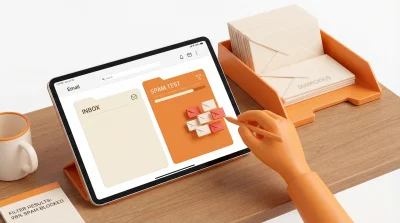
How Do Spam Filters Actually Work?
Spam filters are now AI-powered. Back in the day, not writing "FREE" in capital letters was enough. Now the whole thing is far more complex.
Filters look at:
- The history and reputation of the sending domain
- Proper configuration of SPF, DKIM, and DMARC records
- The link-to-text ratio in the email content
- Recipients' previous interactions (opens, clicks, spam reports)
- Sudden changes in sending volume
I recommend learning the technical side of email authentication protocols. It'll seem boring, but if you don't lay this foundation, your bulk email efforts could go to waste.
Content Strategy: Everyone Gets This Wrong
Here's the biggest mistake I see: companies treat email purely as a sales channel. Yes, sales matter. But if every email screams "BUY NOW 50% OFF," people start ignoring you.
Provide value. Share knowledge. Sometimes sell.
What a Successful Content Balance Looks Like
From what we observe in practice, companies that send one valuable piece of content per week get far better results than those bombarding subscribers with daily promotions. Think about an e-commerce site: if they're sending four emails a month, three should contain industry trends and usage tips, with only one being directly sales-focused. Email marketing requires patience. Don't expect immediate conversions.

Bulk Email and Privacy Regulations: Dangerous Waters
GDPR in Europe, CAN-SPAM in the US, CASL in Canada. These regulations are no joke. Sending bulk email without permission can result in serious fines.
You need explicit consent. Hiding email permission inside a "I accept the terms of service" checkbox doesn't cut it anymore. A separate checkbox, a clear explanation. That simple, but that important.
And don't forget: everyone on your list should be able to opt out whenever they want. Making the unsubscribe link tiny isn't just unethical—it's a legal risk.
Does Automation Actually Work?
It does, but only when set up correctly. When we talk about email automation, we mean trigger-based systems like welcome series, abandoned cart reminders, birthday emails.
The problem is this: most companies set up automation, then forget about it. A welcome email written three years ago is still going out. The content is outdated, links are broken, the design looks ancient.
Automation isn't "set and forget." Review it regularly. If you're working with an agency, you can leave this tracking to them, but if you're handling it yourself, put a reminder on your calendar.
Which Automations Should Come First?
If you ask me, the priority should be: welcome series first (first impressions), then abandoned cart (direct revenue), followed by re-engagement campaigns (to wake up passive users). Birthday emails are nice but they're a luxury.
List Hygiene: The Topic Nobody Talks About
A list of 50,000 people sounds impressive. But if half of those 50,000 aren't opening your emails, you're actually worse off than someone with 5,000 active subscribers.
Why? Because low open rates damage your domain reputation. This increases the likelihood of your future emails landing in spam. A vicious cycle begins.
Subscribers who haven't engaged in six months—either try to reactivate them or remove them from the list. I know it hurts, but it's essential for your bulk email sending success. Just like your website's technical health matters, so does the health of your email list.
Mobile Compatibility and Design
According to Litmus data, the vast majority of emails are opened on mobile devices. An email that looks great on desktop can become unreadable on a phone.
Practical Design Advice
Prefer single-column layouts. Buttons should be large enough to tap with a finger. Font size at least 14 pixels. These are simple rules but they get violated constantly. Also, never neglect adding alt text for images in case they fail to load.
How Will You Measure Success?
Open rate, click rate, conversion rate. Three fundamental metrics. But looking at only these isn't enough.
Open rates aren't very reliable anymore because of Apple's Mail Privacy Protection feature. Click rate has become a more meaningful indicator. Like measuring sales success, measuring email success is a multidimensional task.
Let me leave you with this: bulk email sending is still one of the highest-ROI digital marketing channels out there. But realizing this potential requires strategy, technical infrastructure, and continuous optimization. Not randomly blasting emails, but conscious communication. The difference shows in the results—and honestly, I think most businesses won't put in the work. Will you?