Will Bulk Emails Be Marked as Spam? (Test & Find Out)
Why Email Spam Testing Is Make-or-Break
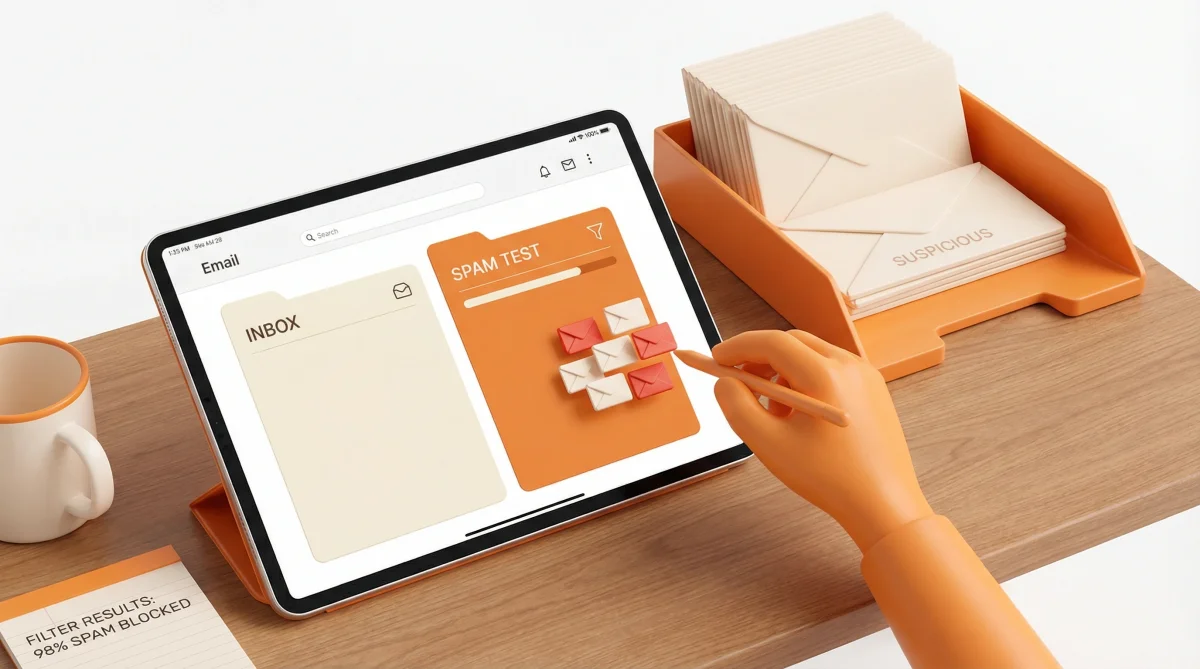
Anyone who sends bulk emails has faced this question at least once: Are my emails actually reaching people? Without running a proper email spam test, you simply don't know. And here's what I think matters more than the technical stuff—it's about reputation. When a brand's emails consistently land in spam folders, that brand slowly becomes invisible online.
From what we see in practice, most companies treat email campaigns with a "send and forget" mentality. But running a spam check takes a few minutes and gives you incredibly valuable information. Which words in your email are triggering filters? Is your IP address blacklisted? Are your SPF and DKIM records configured correctly?
Email Spam Test Tools: Which Ones Actually Work?
There are dozens of spam testing tools out there. Mail-Tester, GlockApps, Litmus, MxToolbox... I won't claim I've tested every single one, but I've seen most of them in action. Here's my take: free tools are fine for basic checks. But if you're running a serious email operation, the detailed reports from paid tools genuinely make a difference.
The Limits of Free Tools
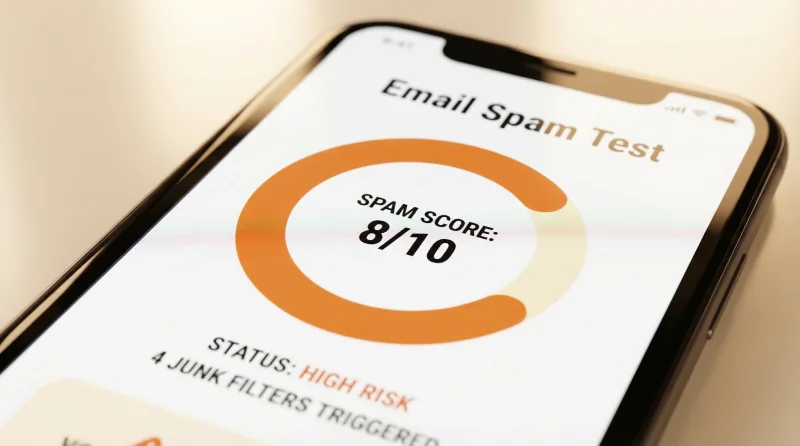
Free tools like Mail-Tester give you a score out of 10. Nice. But you often don't fully understand the logic behind that score. Gmail, Outlook, and Yahoo all use different algorithms. A tool might say "perfect" and Gmail could still dump you into spam.
Let me be clear here: No tool guarantees 100% inbox placement. Tools should be guides, not your only reference point.
What to Look For in Paid Tools
GlockApps and similar services send real test emails to different email providers. So you can actually see where your Gmail-bound email ends up. That feature alone is a serious advantage.
How Do Spam Filters Actually Work?
Spam filters are far more complex than you might think. The old systems that just matched keywords? Those are ancient history. Today's filters use machine learning and they're constantly evolving.
Factors that influence whether your email gets flagged as spam:
- Sender domain reputation (this might be the single most important factor)
- IP address history
- Trigger words in content
- HTML code quality
- Past recipient interactions
- Send volume and frequency
Looking at this list, you realize: email spam testing isn't just about checking content. You need to evaluate your entire infrastructure.
SPF, DKIM, and DMARC: Technical But Unavoidable
If your SPF (Sender Policy Framework) records are missing, writing perfect email content is pointless. Gmail and other major providers now essentially require these records. Since 2024, Google's updated sender requirements have hit bulk email senders particularly hard.
DKIM is a signature system that verifies your email actually came from you. Think of it as your email's ID card. DMARC ties both together and tells receiving servers what to do when something doesn't match.
Here's where people mess up: Most companies set these once and forget about them. But a DNS change, a mail server migration, or adding a new subdomain can break everything. That's another reason why periodic spam checks matter.
Content Optimization: Do Words Really Matter?
Everyone says words like "free," "win," "act now" trigger spam filters. Is this true? Sort of.
Modern spam filters don't fixate on single words. They look at context. Writing "free trial" doesn't equal spam. But formatting it as "FREE WIN CLICK NOW!!!" will absolutely cause problems.
Clients usually miss this point: What spam filters really care about is user behavior. If your emails aren't being opened, get deleted immediately, or are reported as spam, you'll have problems no matter how clean your content is.
Practical Content Tips
Keep it short. Make it readable on mobile. Deliver one clear message. Don't go overboard with links. Balance images and text. And please, stop using ALL CAPS in subject lines.
What Should Your Testing Process Look Like?
Email spam testing isn't a one-time job. We see this mistake constantly. Running one test, getting a clean result, and calling it done is wrong. You should test before every new campaign and after any major list changes.
The approach we recommend to clients: Use A/B testing not just for subject lines or CTAs, but for deliverability too. Send the same content in different formats and measure which performs better.
One more thing I want to add: Keep records of your test results. Patterns emerge over time. Which types of content cause problems? Which days and times get better results? You need data to see this.
List Hygiene and Sending Habits
The most reliable way to avoid spam filters is deceptively simple: Send emails people actually want to receive. Sounds like a cliché, but in practice, this is the most neglected point.
If your bounce rate is high, the problem isn't your content—it's your list. Old, outdated, or purchased lists are the biggest reputation killers. Every spam complaint chips away at your domain reputation.
Send frequency matters too. Sending one email per month and then suddenly blasting three per day will set off alarm bells in spam filters. Build a consistent sending rhythm.
Final Thoughts on Email Spam Testing
Bulk email operations are complicated. Technical infrastructure, content quality, list hygiene, and user behavior all need to be considered together. Running spam tests at least lets you catch technical issues early.
Can emails still land in spam even if you do everything right? Yes. Even Google's sender guidelines say there are no guarantees. But sending emails blindly without testing is far riskier.
Just like SEO requires ongoing effort, email deliverability does too. This isn't something you set up once and walk away from. Test, measure, improve. And always question whether you're actually reaching the inbox.