Why Is It Important for a Brand to Have a Corporate Identity?

Corporate Identity Design: It Doesn't End With Getting a Logo Made
When branding comes up, most entrepreneurs immediately think of one thing: the logo. Let's get a nice logo made, job done. But here's the thing – corporate identity design is a concept that extends far beyond the logo itself. We're talking about a broad spectrum that stretches from color palettes to typography, from business card design to email signatures. And trust me, brands that skip these details end up facing serious problems down the line.
Think about it: Would you trust someone you've never met? Probably not. What about someone who looks different every time you see them, behaves inconsistently? The same applies to brands. Inconsistency breeds distrust.

Why Is Brand Perception So Fragile?
People make decisions about a brand within seconds. The brain quickly evaluates visual consistency and slaps on either a "trustworthy" or "suspicious" label. This is an automatic process – nobody sits down and analyzes whether a brand's color palette is consistent. But the subconscious does.
The Mathematics of First Impressions
You land on a website. The logo is one color, the menu is another, and the buttons are some completely different shade. What do you feel? You probably think "amateur" or "unreliable" to yourself. That's exactly what corporate identity design exists to manage.
From what we see in practice, brands with inconsistent visual identities tend to have remarkably low customer loyalty. People often can't even explain why they don't trust a company – they just say "something's off."
Classic Mistakes Made During the Corporate Identity Design Process
Let me be direct here: The most common mistake is viewing corporate identity as just visual materials. But the issue runs much deeper.
- Logo-centric thinking: The logo matters, but it's not enough on its own. A logo without a usage guide is like a tourist handed a map in a foreign language.
- Color inconsistency: One blue on social media, another blue on the website, a third blue in print materials. This chaos absolutely destroys brand perception.
- Typography mess: Using different fonts on every platform paints a picture that's far from professional.
- Tone and style inconsistency: Friendly on Instagram, overly formal on the website – this is actually an identity crisis.
Corporate identity agencies exist to fix these mistakes, but the real goal should be getting it right from the start. Fixing things later is both expensive and creates confusion in brand memory.
Building Trust: Repetition and Consistency
Think about Coca-Cola's red. What lies at the foundation of corporate identity is essentially this: establishing a presence in memory through repeated, consistent visual codes.
Let's pause here for a moment. Why is consistency so critical? Because the human brain searches for patterns. We're naturally drawn to things that feel familiar – it's an evolutionary reflex. So a brand that speaks the same visual language at every touchpoint gets coded as "familiar" and therefore "trustworthy" in the subconscious.
The Strategic Approach
Agencies working in this space treat the corporate identity design process as strategic work, not just aesthetic. Brand personality analysis, target audience research, competitor analysis... These are all things that need to happen before anyone even starts sketching a logo.
Corporate Identity Design Elements: Not Just the Logo
A comprehensive corporate identity design project should include:
Core elements: Logo (and its variations), color palette (primary and secondary colors), typography system, visual language (photography style, illustration approach).
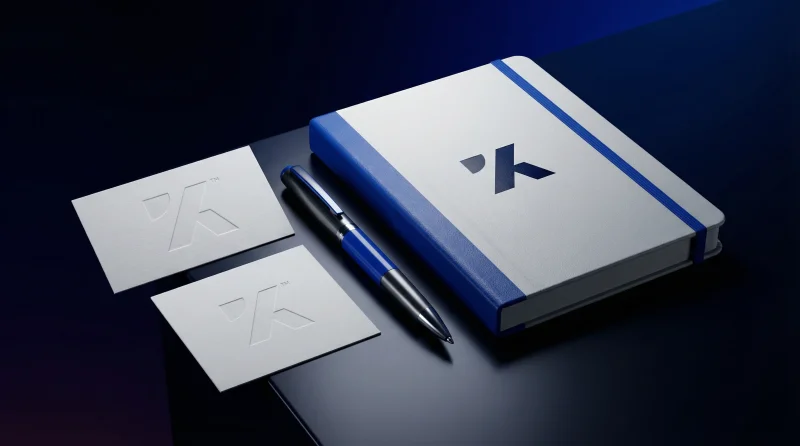
Application materials: Business cards, letterhead, envelopes, invoice design, email signatures, social media templates, presentation templates.
Digital assets: Website design guidelines, mobile app interface rules, standards prepared in line with ideal website criteria.
Clients usually miss this point: Corporate identity isn't a document, it's a living system. It should be updated over time and adapted to new platforms.
What Do Corporate Identity Agencies Actually Do in 2026?
Things used to be simpler. Prepare printed materials, deliver them, done. Now it's different. A brand has dozens of digital touchpoints: website, social media accounts, e-commerce platforms, email campaigns...
Corporate identity agencies now offer digital strategy, not just design. Even Instagram engagement strategies are directly connected to corporate identity – because every post shapes brand perception.
Your brand is what other people say about you when you're not in the room.- Jeff Bezos, Inc.
This quote actually summarizes why corporate identity matters. When you're not there, your visual identity speaks on your behalf.
Investment or Expense?
Professional corporate identity design isn't cheap. But here's a reality: Getting it right from the start is far more economical than fixing it later.
Hidden Costs
Nobody calculates the hidden costs of an inconsistent identity. Having to design from scratch every time for advertising campaigns, increased marketing expenses due to low brand recognition, lost sales because of customer distrust...
You might disagree with me here, but I think corporate identity investment is as fundamental a need as SEO work. Just as you're perceived as non-existent if you're invisible in search engines, you won't be perceived as professional without visual consistency.
So Where Should You Start?
If you're getting corporate identity design done from scratch, first define your brand personality. Serious or friendly? Innovative or traditional? Luxury or accessible? The answers to these questions form the foundation of your visual identity.
If you have an existing identity and you're experiencing inconsistency issues, I'd recommend doing a brand audit. Review all touchpoints, list the inconsistencies. Then fix them systematically.
One final note: The corporate identity design process isn't something you do once and forget about. As your brand grows and your market changes, your identity should evolve too. But this evolution needs to be controlled and planned – otherwise you'll end up right back where you started.